Snorkelling on Havelock Island
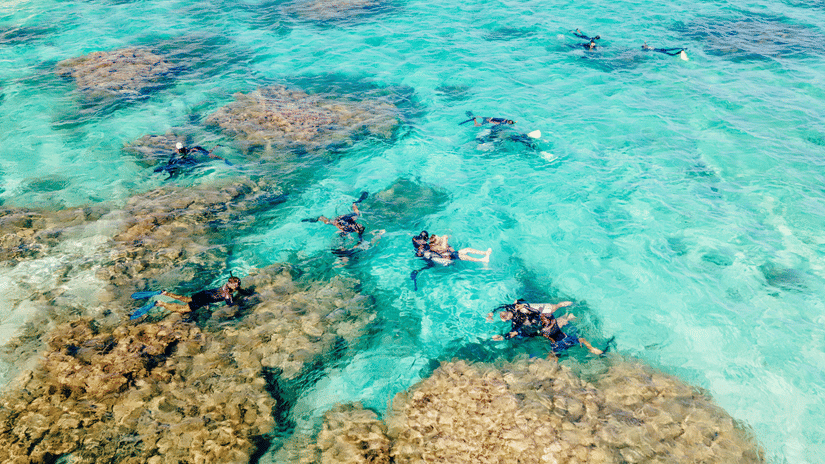
Havelock Island, now officially known as Swaraj Dweep, is where most visitors begin their Andaman Islands snorkelling journey, and it rarely disappoints. The reefs here are accessible to beginners, varied enough to reward returning visitors, and home to some of the densest coral cover in the archipelago. Marine life appears within the first few minutes of water entry, and conditions across the main sites remain calm and clear for most of the October-May season.
Top Spots on Havelock Island
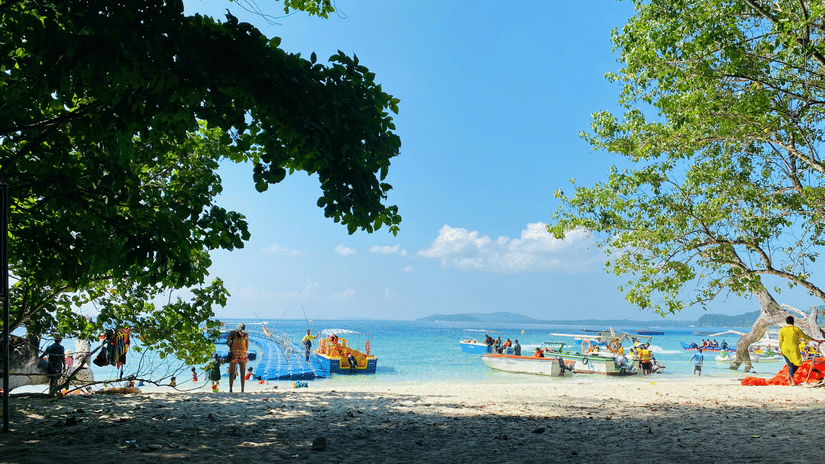
Elephant Beach: A 45-minute guided trek or a short boat ride from the main jetty, Elephant Beach is known for its shallow reef systems and vibrant marine life. The beach is also famous for its wide range of water sports and adventure activities, The beach is also famous for its wide range of water sports and adventure activities, including jet skiing, parasailing, sea walking, and inflatables.
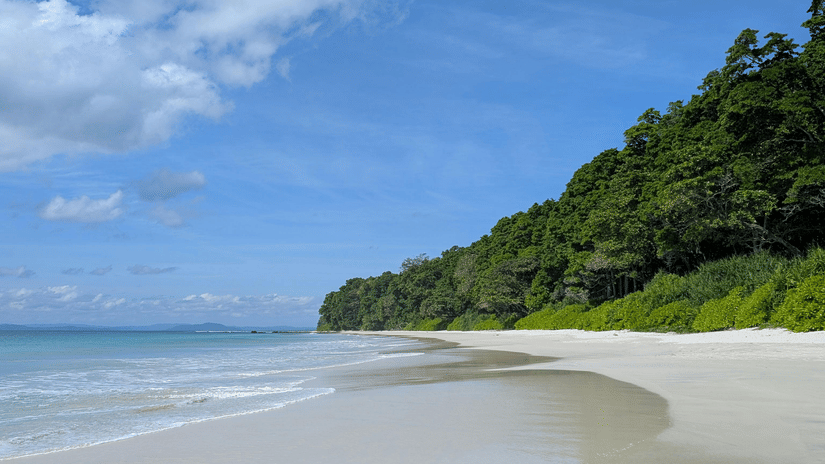
Radhanagar Beach: Best known for its broad white shoreline, turquoise waters, and breathtaking sunsets that draw visitors from across the world. Often celebrated as one of the finest beaches in the region, it was once recognised as Asia’s Best Beach for its pristine beauty and untouched surroundings. The main stretch is perfect for sea views and sunsets, while the rocky northern end shelters small reef communities best explored between October and May.
Radhanagar Beach: Best known for its broad white shoreline, turquoise waters, and breathtaking sunsets that draw visitors from across the world. Often celebrated as one of the finest beaches in the region, it was once recognised as Asia’s Best Beach for its pristine beauty and untouched surroundings. The main stretch is perfect for sea views and sunsets, while the rocky northern end shelters small reef communities best explored between October and May.
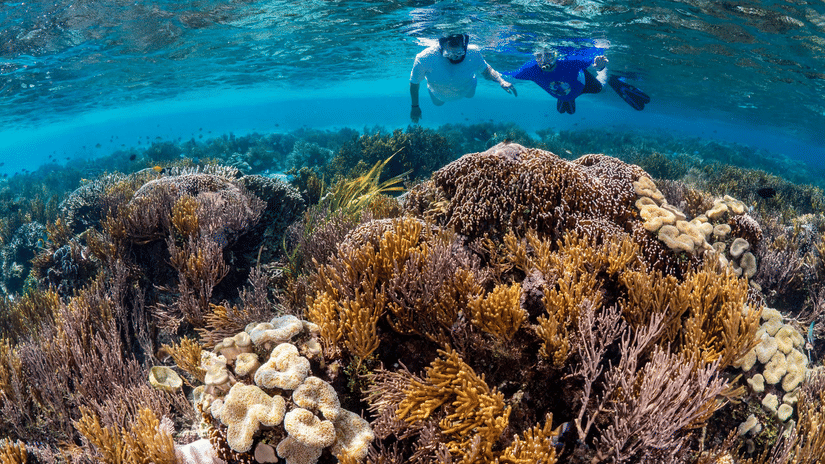
- Neil Island (Bharatpur Beach): This beach on Neil Island, officially known as Shaheed Dweep, is one of the best spots in the Andamans for close-up views of vibrant coral reefs. Often referred to as the 'coral capital' of the island, this beach is known for its shallow, easily accessible waters where both hard and soft corals thrive side by side.
- North Bay Island: Just 20 minutes by boat from Port Blair, this is one of the most organised Andaman and Nicobar Islands snorkelling sites in South Andaman. Gear rental and guided entry are available directly on site, making it a good first stop for visitors arriving via the capital.
The Reef: Coral, Colour, & Clarity
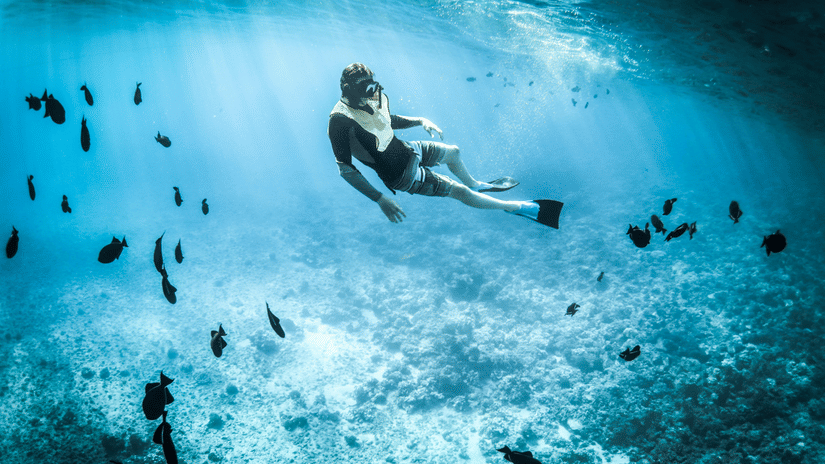
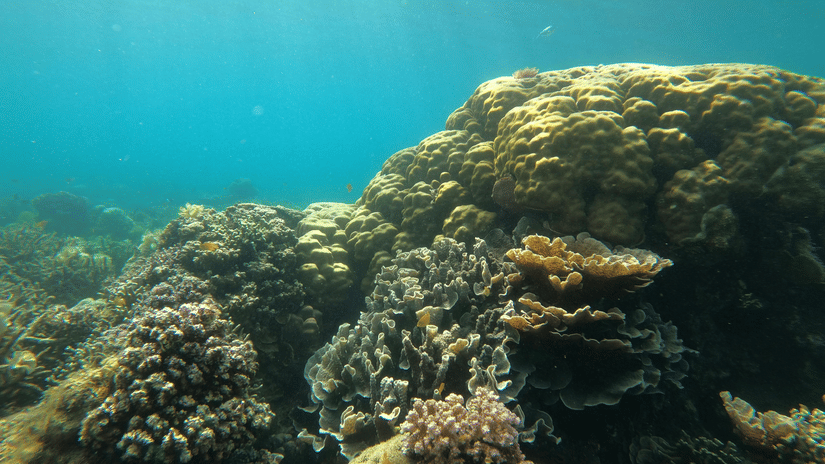
The Andaman Sea is one of the most biodiverse marine environments in the Indian Ocean, and the reef systems here reflect that richness. Staghorn and table corals dominate the shallows, while deeper sections give way to sea fans, soft corals, and sponge formations that shift in colour as the light angle changes through the day. The reef fish density is high, species variety is impressive, and most fish show little anxiety around snorkellers, which makes for close, unhurried observation at virtually every site across the islands.
Large Marine Species
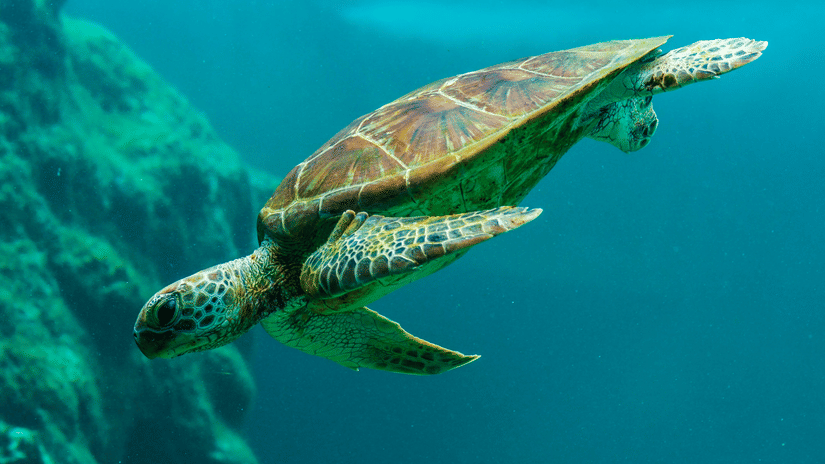
- Green Sea Turtles: Spotted at most reef sites, often resting near coral heads or drifting through the sandy gaps between reef structures. Particularly common near Elephant Beach and North Bay Island.
- White-Tip Reef Sharks: Present along the outer reef edge at deeper sites. They keep their distance but are clearly visible from the surface during calm, clear-water sessions.
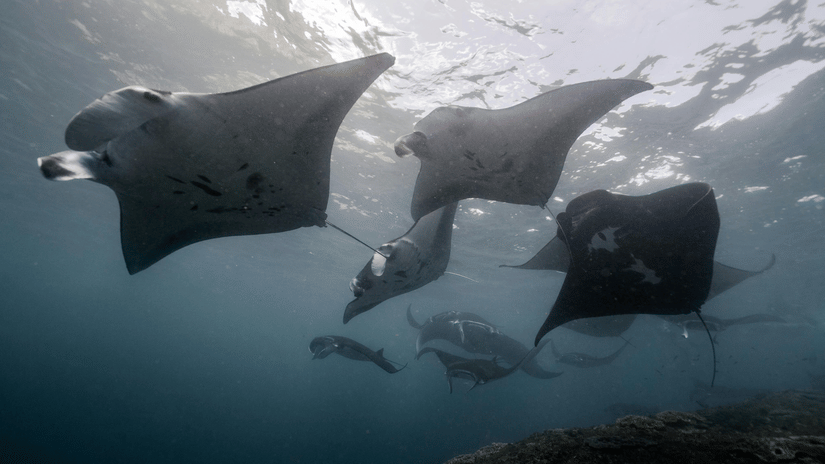
- Manta Rays: Seasonal visitors, with sightings most reliably reported between November and April near the outer reef edges at Havelock and Neil Island.
- Barracudas: Spotted in small schools near the surface, hovering above reef patches with characteristic stillness before moving on in formation.
- Parrotfish: Among the most vivid species on the reef. Their turquoise and pink colouring makes them easy to identify from a distance, and they are present at virtually every snorkelling site across the islands.
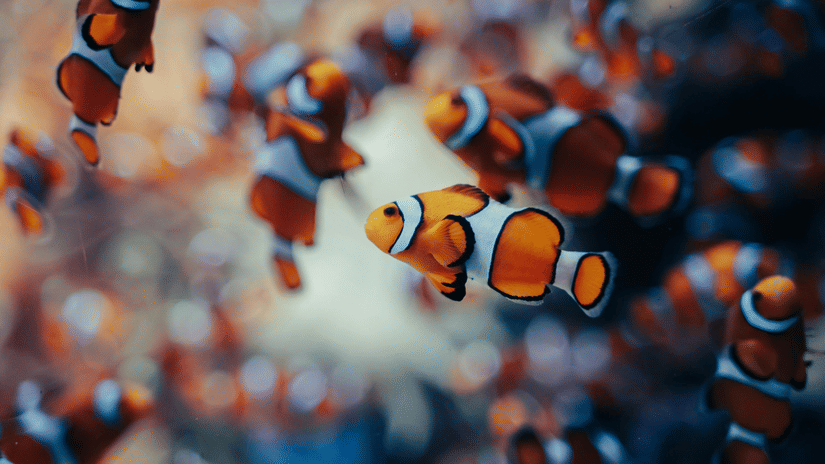
- Clownfish: Found nestled in anemone clusters across every reef in the Andamans. Almost always close to the surface and entirely unbothered by snorkellers nearby.
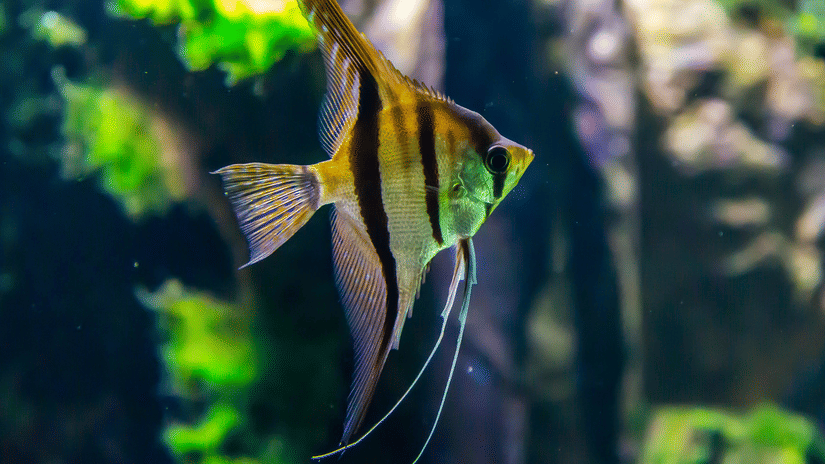
- Angelfish: Emperor and French angelfish are both present. Their bold vertical striped markings make identification straightforward, even in busy reef sections.
- Surgeonfish: Schools drift across the reef in loose, shifting formations. Their steel-blue colouring catches the light as they move, creating a distinct visual display near the coral.
Best Months for Snorkelling in Andaman
- October to December: Post-monsoon waters are exceptionally clear, with visibility at its seasonal peak and relatively few visitors on the water. A strong period for first-timers.
- January to March: This is the most consistently calm period of the year. Light currents, excellent visibility, and stable conditions make this the most reliable window for snorkelling in the Andaman and Nicobar Islands.
- April to May: Visibility remains good, and water temperatures stay warm. Book accommodation early, as this period coincides with the Indian school holiday season.
- June to September: The southwest monsoon brings rougher conditions and reduced underwater visibility. Snorkelling sessions may be cancelled or restricted depending on sea state during peak monsoon weeks.
Approximate Costs
- Guided snorkelling session at Elephant Beach: Rs 500-800 per person, typically including mask, fins, and a lifejacket.
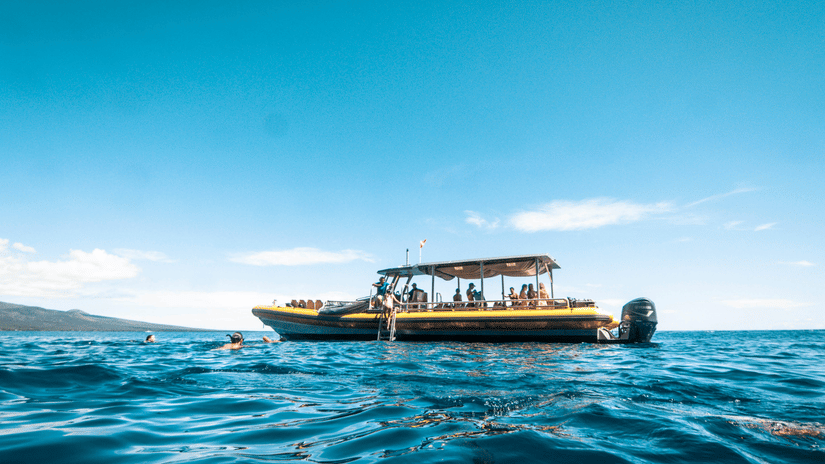
- Boat trip to North Bay Island (from Port Blair): Rs 1,200-2,000 per person for a combined snorkelling and sightseeing excursion.
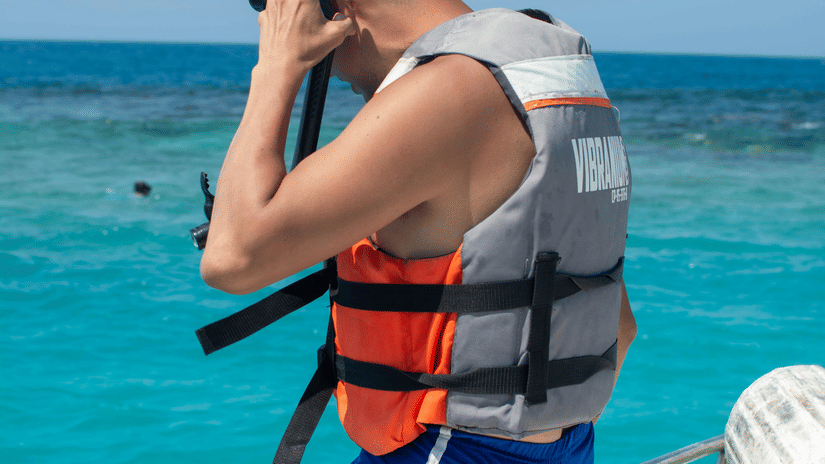
- Standalone gear rental (mask and fins): Rs 200-400 per session at most organised snorkelling sites.
- Full-day reef excursion with multiple stops: Rs 2,500-5,000 per person, depending on inclusions and the number of reef sites covered.
Please note that prices are subject to change based on season, operator, weather conditions, and activity inclusions.
Tips for Your First Snorkelling Session
- Use reef-safe sunscreen: Apply at least 30 minutes before entering the water. Standard sunscreens contain chemicals that bleach and damage coral reefs over time.
- Do not touch the coral: Even brief contact causes lasting damage to reef structures. Keep your hands at your sides and stay aware of your fin position at all times.
- Wear a rash guard: It protects your back and arms from the strong tropical sun without adding chemical residue to the water around you.
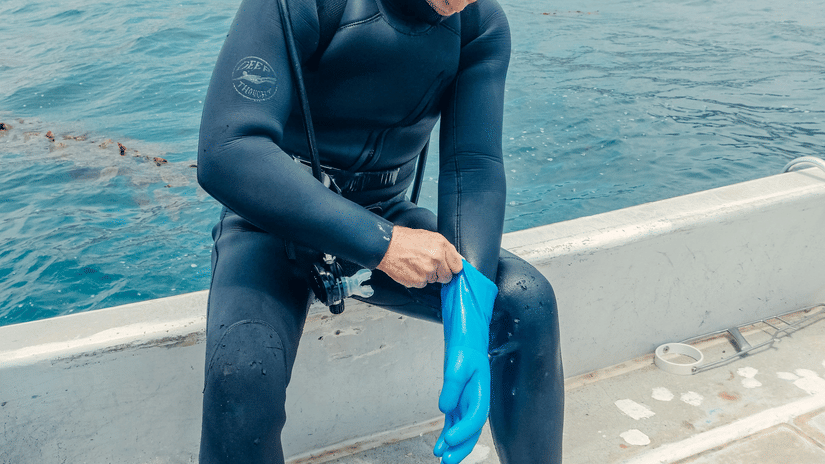
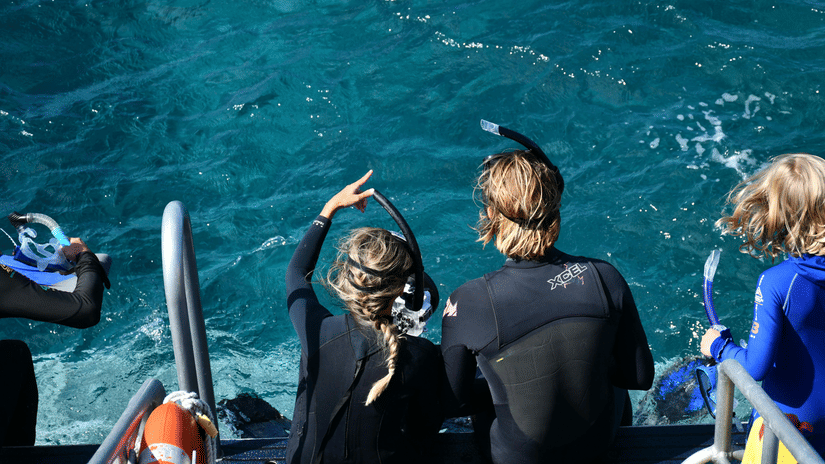
- Kick slowly near the reef: Fast fin kicks stir up sediment and disturb the marine life nearby. A slow, steady kick gives better control and causes far less disruption.
- Stay with your guide: Currents shift quickly around reef structures. A local guide knows the safe drift lines and the areas to avoid at any given tide.
- Do not feed the fish: Feeding disrupts natural behaviour and can attract species that are harmful to reef health over time.
Stay at Barefoot at Havelock
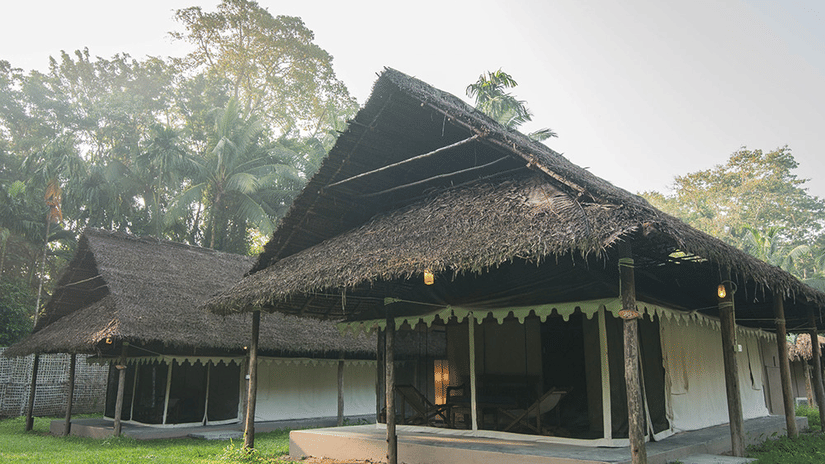
After a day drifting through Andaman’s coral gardens, there is no better place to return to than Barefoot at Havelock. Nestled within lush forest just moments from Radhanagar Beach, once recognised as Asia’s Best Beach by Time Magazine, the resort offers a stay that feels deeply connected to the island’s natural surroundings. Choose from thoughtfully designed accommodations ranging from the timber-built Andaman Villas and rustic Nicobari Cottages to luxurious Tented Cottages, spacious Duplex Cottages for families, and the distinctive Nicobari Villas inspired by traditional island architecture. Each stay blends comfort with Barefoot’s eco-conscious philosophy, creating a peaceful retreat after a day in the sea. Wind down with fresh, locally inspired cuisine at the Swimming Elephant restaurant, sip a sundowner at the Dugong Dugon Bar, and let the sounds of the forest replace the noise of the day. At Barefoot, the island does not end when you leave the water. It simply continues in a different, quieter form. Plan your stay and make the reef your daily commute.